Who Decides Who Is Fit to Rule? - Intelligence, Power, and Democracy’s Old Justification for Tyranny
- Sukiran Davuluri
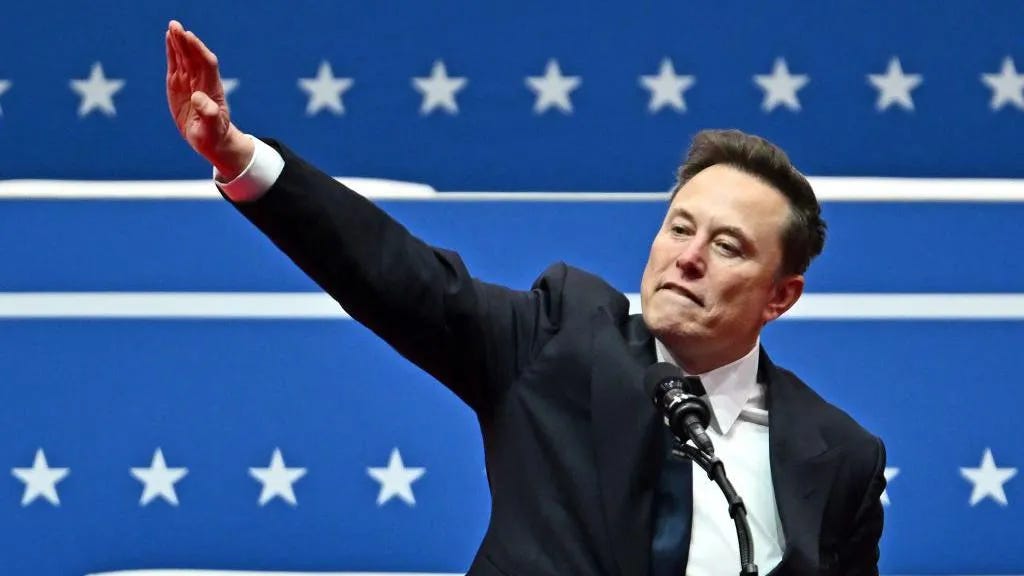
On September 2, 2024, Elon Musk retweeted a message to over 20 million users that abandoned the usual euphemisms of modern elitism. The post argued that only “high T alpha males” and “aneurotypical people” possess the biological independence to process truth objectively, while everyone else simply filters information through a consensus-based “safety mechanism.”
This was not merely a provocative tweet; it was a broadcast of a political doctrine. Intelligence, biology, and status were converted directly into credentials for authority. It was an old idea dressed in the language of neurobiology: the world divided into natural rulers and natural subjects.
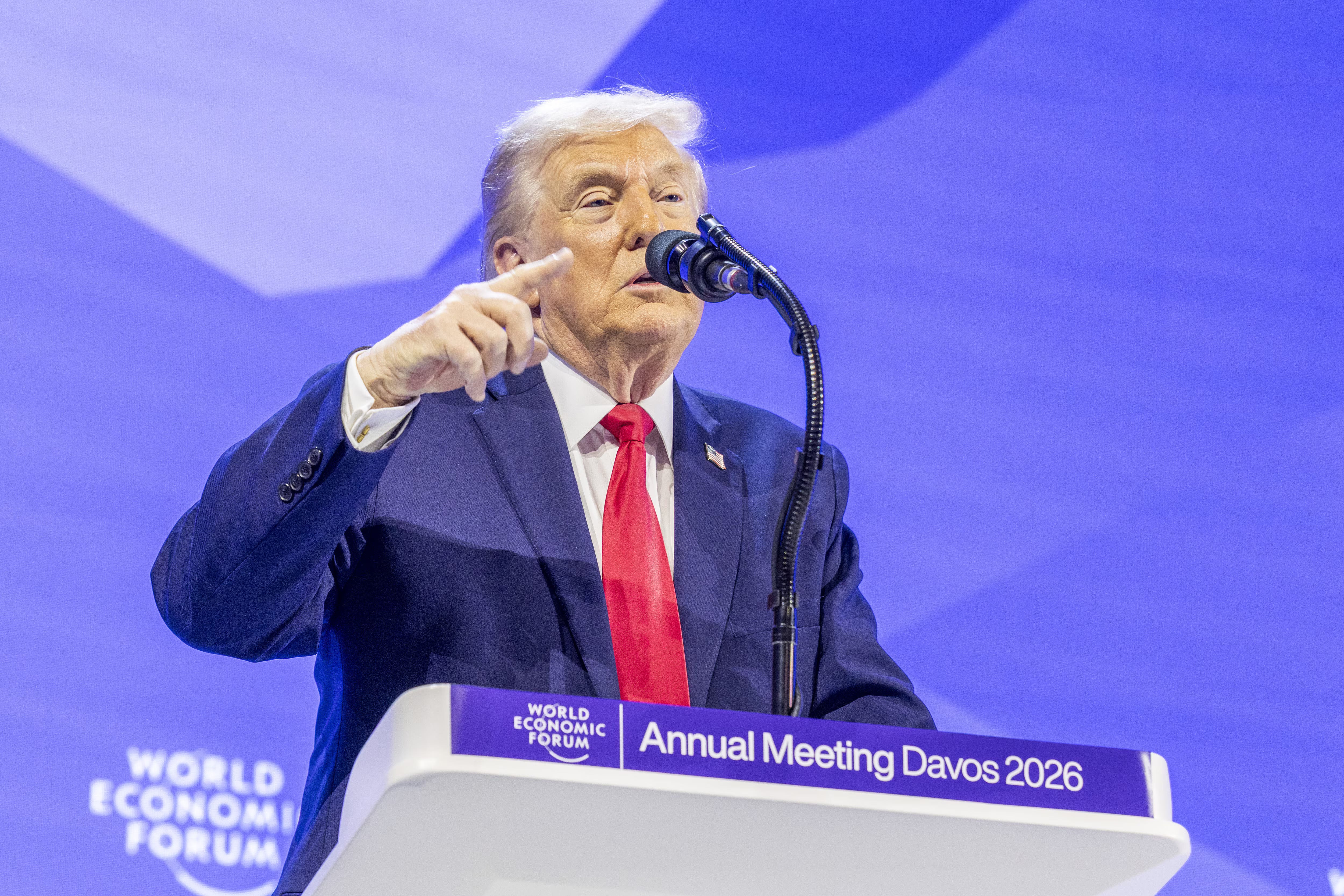
This worldview has been simmering in the background of right-wing politics for years. As early as 2017–18, Donald Trump repeatedly dismissed Representative Maxine Waters as “low IQ,” a phrase that functioned less as casual insult than as a political judgment about fitness for authority.
The charge was deployed to delegitimize an elected representative by recasting political disagreement as cognitive deficiency. Directed at a Black woman in a position of power, this rhetoric revealed how appeals to intelligence operate as a proxy for exclusion, marking certain voices as inherently unqualified for democratic leadership rather than merely opposed in policy or principle.
The same logic has since been extended from individual leaders to entire communities. Trump’s remarks about Somalis, branding them “low IQ,” “bandits,” and “pirates,” reveal how intelligence rhetoric functions as collective delegitimization rather than law enforcement. As Abdi Nor Iftin has shown, such language does not target specific wrongdoing; it flattens an entire people into cognitive and moral deficiency, converting isolated fraud into a civilizational judgment.
By treating Somalis as inherently suspect, this rhetoric revives a logic in which intelligence becomes a proxy for worthiness, citizenship, and self-rule. The danger is not criticism of crime, but the transformation of accountability into collective punishment, undermining the democratic principle that individuals—not groups—bear responsibility, and that loyalty and dignity are not determined by IQ, origin, or race.
It is within this ideological climate that contemporary right-wing and far-right discourse must be understood. A recurring claim has gained renewed prominence: not merely that elites exist, but that only certain individuals or groups possess the cognitive capacity required to legitimately shape public policy and exercise political authority. Intelligence, narrowly quantified through IQ scores or elite educational credentials, is treated as a civilizational threshold separating elites from the masses. Those above this threshold are portrayed as naturally fit to rule, while those below it are cast as permanently unqualified, destined to be governed rather than to govern.
This argument is neither novel nor politically neutral. It closely resembles pre-democratic justifications of power that prevailed under feudalism and early modern absolutism. Aristocrats and monarchs once claimed a natural or God-given right to rule based on lineage, culture, or divine favor. Authority flowed downward from presumed superiority rather than upward from consent. Democracy emerged historically as a rejection of this logic, asserting instead that legitimacy rests on accountability, equality before the law, and popular sovereignty.
The most influential modern blueprint for this revived hierarchy is The Bell Curve. Its authors, Charles Murray and Richard Herrnstein, argued that cognitive ability is largely heritable, relatively stable, and strongly predictive of social outcomes, producing a “cognitive elite” at the top and a marginalized underclass at the bottom.
The enduring power of this argument does not lie primarily in its data, which remain contested, but in its theory of legitimacy. By framing inequality as the expression of a natural order, it turns IQ into a modern substitute for aristocratic bloodlines. If status is rooted in biology, then democratic efforts to reduce inequality can be dismissed as sentimental resistance to nature itself.
Michael Sandel’s The Tyranny of Merit exposes why this worldview is so socially corrosive. Sandel argues that modern meritocracy has evolved into a new form of hereditary aristocracy, one that operates through achievement rather than birth. When success is attributed entirely to intelligence or effort, those who rise come to believe they deserve their advantages. This meritocratic hubris erodes humility and solidarity.
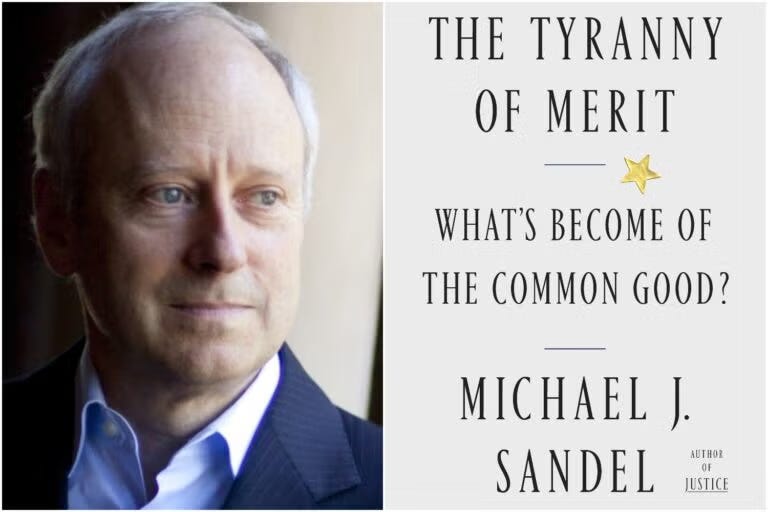
At the same time, those who fall behind are encouraged to see their exclusion not as a product of structural failure or collective choice, but as personal inadequacy. Unlike the medieval peasant, who understood subordination as an accident of birth, the modern citizen is told that failure is earned. It is a system that does not merely stratify; it humiliates.
This moral logic hollows out democracy and replaces it with technocracy. Political questions cease to be framed in terms of justice and become questions of optimization. We stop asking what is fair and start asking what is smart. Decisions are handed over to credentialed experts, and the public is treated as a population to be managed rather than citizens to be heard.
This helps explain why leaders such as Barack Obama or Kamala Harris are often dismissed by the far right as impostors. Because they emerged through mass democratic politics rather than through a presumed natural hierarchy, they are seen as violations of the order itself.
At this point, a crucial distinction must be made. The argument here does not hinge on denying cognitive differences or dismissing expertise. Modern societies plainly rely on specialized knowledge, and democratic institutions have always made room for it. The democratic claim is more precise and more demanding: no measurement of intelligence, however refined, establishes a natural entitlement to political authority. Knowledge can guide judgment and inform decision-making, but it does not substitute for consent, nor does it legitimize power exercised without accountability.
History stands as a sustained rebuttal to doctrines of rule by nature. The last three centuries of progress in health, wealth, and freedom were not granted by an enlightened cognitive elite. They were won through struggle by those whom elites once deemed unfit to rule: workers, women, enslaved peoples, and colonized nations. Democracy does not claim that all citizens possess equal intelligence; it insists that no one is born with a saddle on their back, and no one is born with spurs to ride them.
As Sandel reminds us, a healthy society depends on the dignity of labor and a shared sense of fate, not on rankings of human worth. The contemporary revival of IQ-based elitism is therefore a regression. It is an attempt to give old forms of domination a scientific vocabulary. But it cannot overturn democracy’s central insight: that political authority derives from collective self-rule, not from test scores, credentials, or claims of natural superiority.
Comments