There can be no doubt that mainly due to the rise of Artificial Intelligence technology and deeper and wider penetration of these technologies into every sphere, form and way we engage with the world, with each other and with the machines we use, the third decade of 21st century could be an inflection point in determining the course of the rest of the 21st century and beyond.
However, global geo-political conditions are not in a better position to grapple with the truer implications of the impending and inevitable radical transformation this general-purpose technology can cause.
Human history teaches us that advanced technology need not always make life better for all sections of society or humanity at large. Positive, negative and disastrous results caused by these general purpose technologies entirely depends on the sort of societal conditions in which these technologies emerge, penetrate & transform, which elites are taking the lead to direct these technologies and the form of public policy that is either regulating or restraining these technologies.
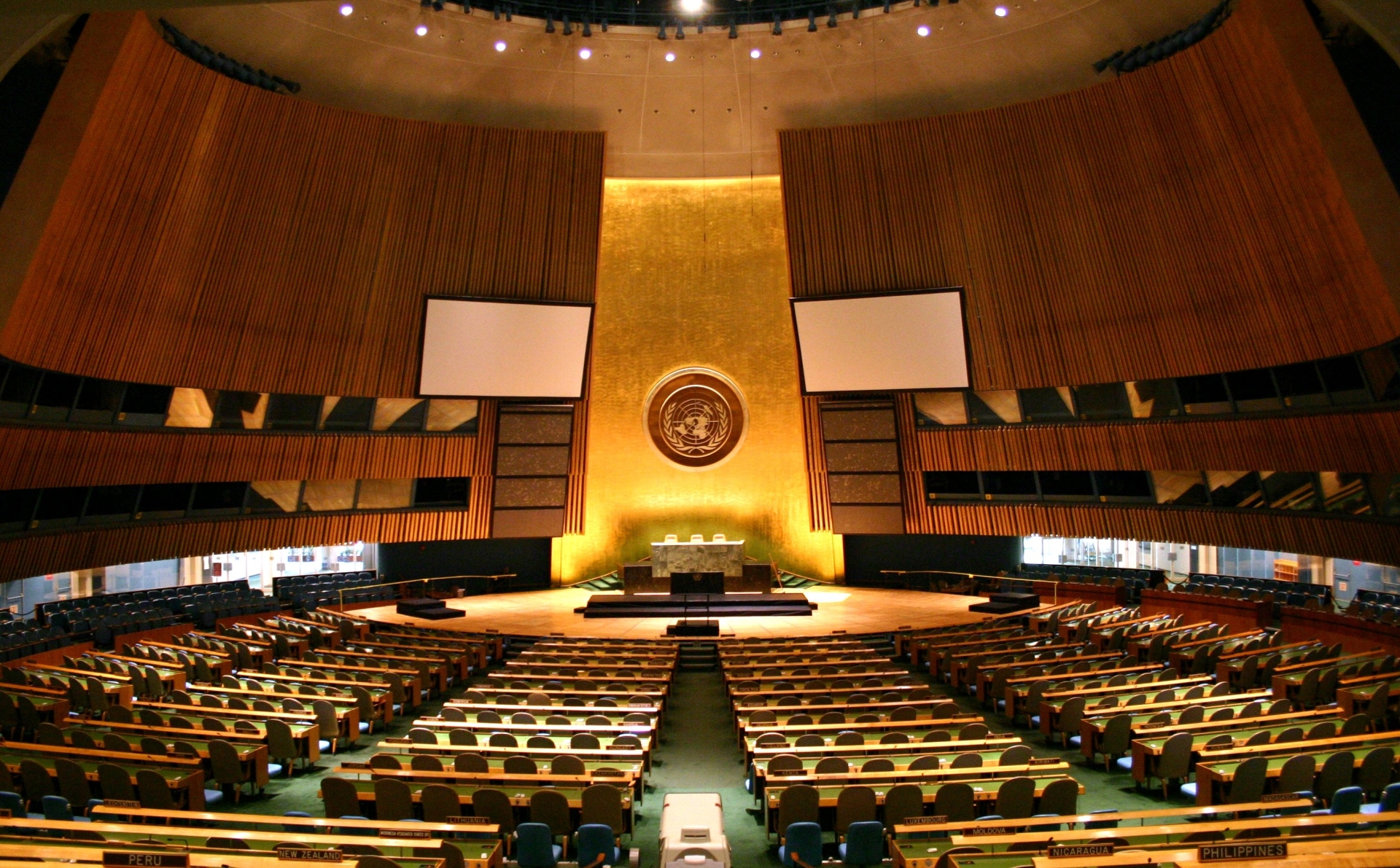
The case in point is the United Nations. As we approach the beginning of the ninth decade of the United Nations, we need to give serious thought to how (and how not) to reform the United Nations. There can be no doubt that the United Nations achieved phenomenal success in its foundational goals
a) of avoiding a third world war,
b) making the borders between nations inviolable – until Russia invaded Ukraine
c) making human rights one of the top priorities of global governance to the extent even the most dictatorial nations try to defend on their human rights record to escape international sanctions
d) for being the leading voice highlighting the catastrophic perils of climate change & global warming
e) above everything else for being a platform where nearly two hundred nations, big or small could meet, discuss and try to resolve national, regional and international matters of importance.
But there are certainly some limitations on how well and how effectively the United Nations can work.
The United Nations can only be as efficient and as competent as its leading member states allow it to be. When the veto powered nations constantly biker on which path they want to take the world; and efforts to establish peace based on which wars and civils wars are in their interest or against it, they make United Nations so weak that it cannot even stop the most the obviously dastardly invasion (like Russian war on Ukraine) or plainly visible actions leading to geocidal killings like in Gaza by Israel.
Yes, the United Nations needs reformation on an urgent basis. But more so is the need for the major global powers -
a) to understand the value of preservation of this mighty international organization,
b) be loyal to its charted objectives,
c) finding out the ways and means to reconcile the national economic and geostrategic interests with the objectives of the United Nations to build a peaceful and prosperous world where basic human rights of the people are considered sacrosanct.
The United Nations can only endure and remain effective if the global powers recognize its value, uphold its objectives, and reconcile their national interests with the broader goals of international peace and human rights. Without such commitment, the UN risks losing its relevance—and with it, one of the last platforms for peaceful negotiation in an increasingly fractured world.
Comments